Category: Accounting
-

Accounting software for automobile dealers: Manage your financial operations with better control
Automobile dealerships are burgeoning in India, with the national body of automobile retailers, the Federation of Automobile Dealers Associations (FADA), putting the number of registered dealers at 15,000 and the total number of outlets at 30,000. These dealerships combined to set a record, selling over 28 million vehicles in 2025. However, running an automobile dealership…
-
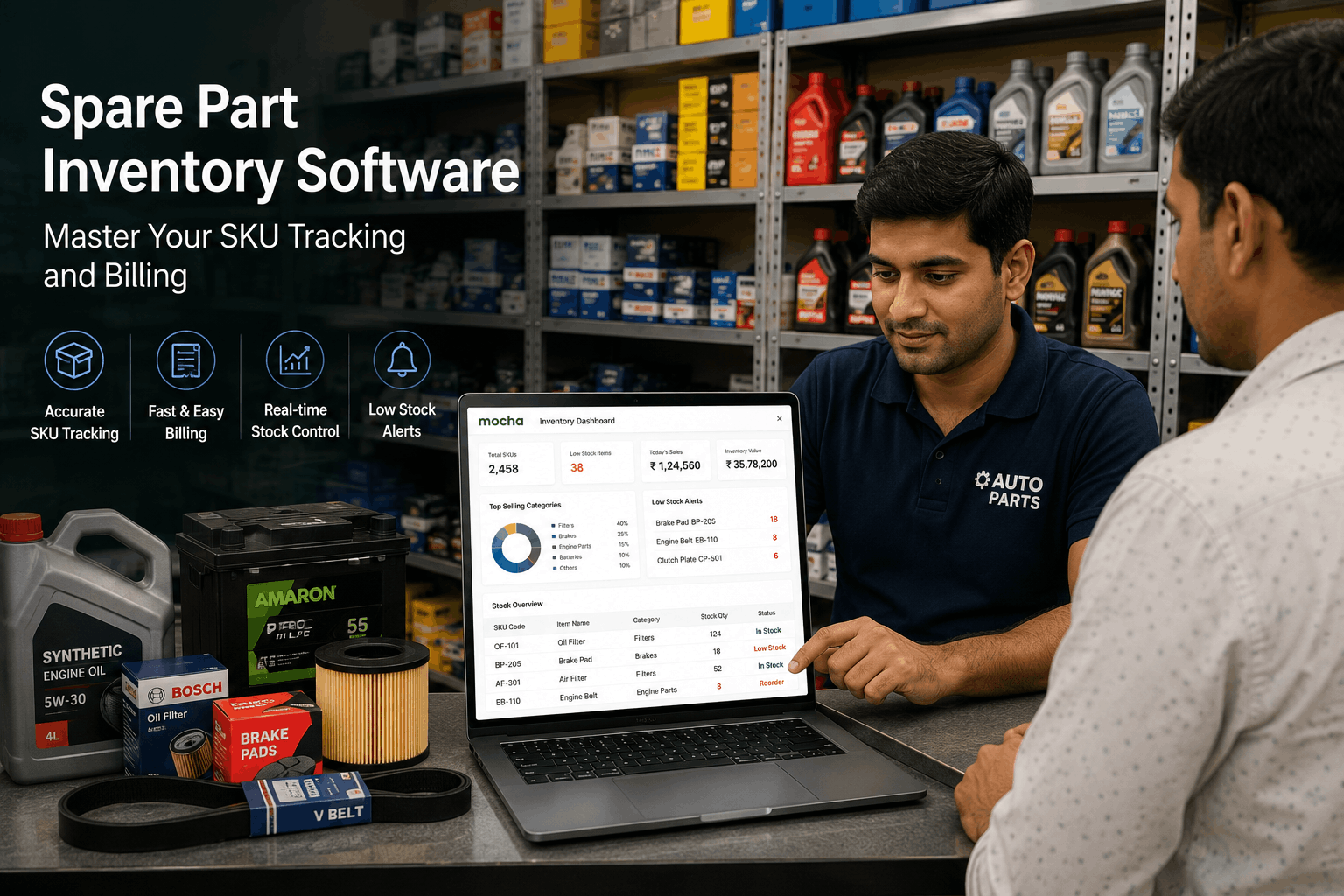
Spare part inventory software: Master your SKU tracking and billing
The Indian automobile industry is hitting new highs, with sales in FY 2025-26 clocking a record 2.97 crore units. At the same time, research by Market Research Future indicates that the spare part market in the country is projected to grow from approximately ₹5.8 lakh crore in 2025 to ₹9.5 lakh crore in 2035, in…
-
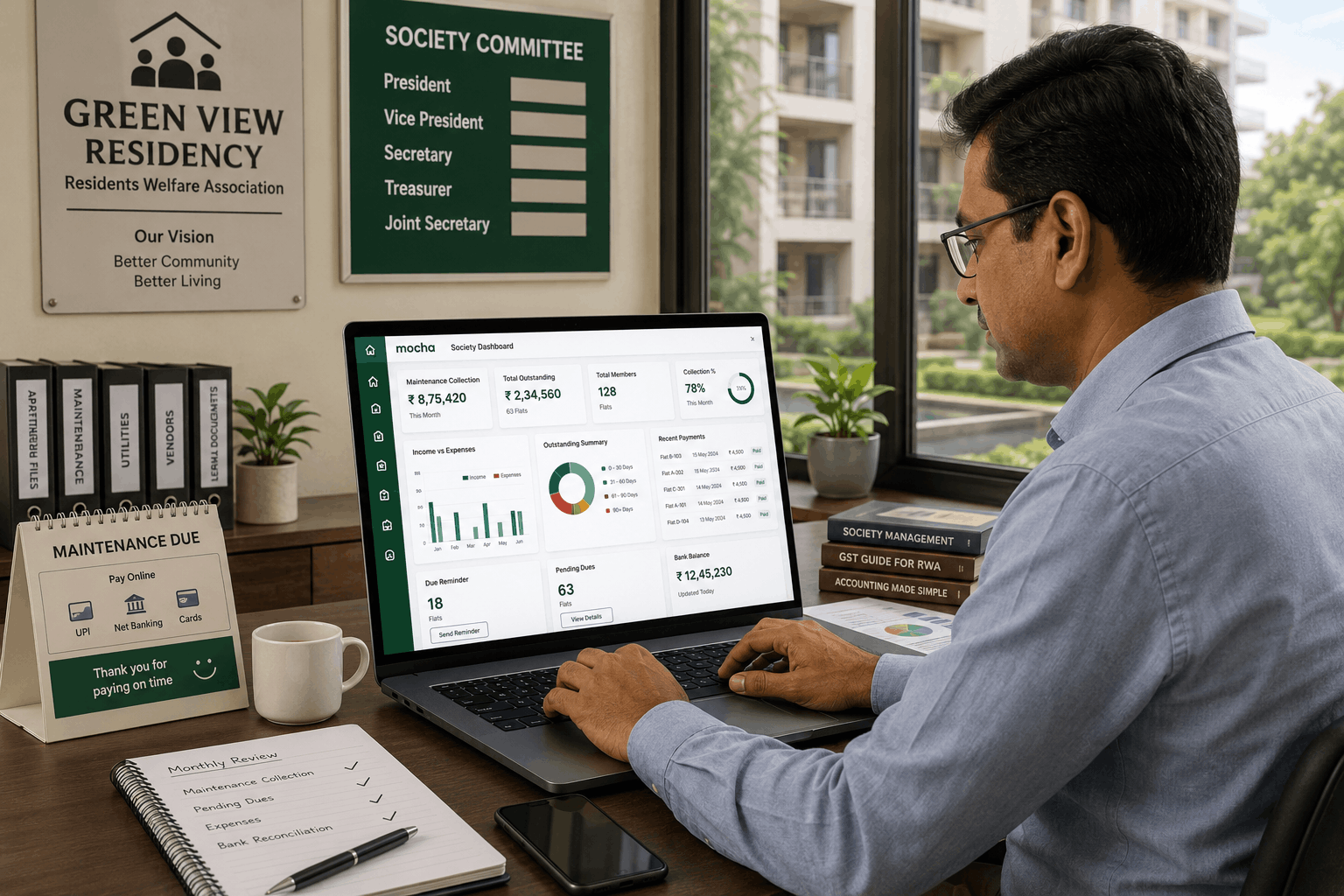
Society billing software: Streamlining maintenance and payments for modern RWAs
There are over 1.9 lakh housing societies in India, according to government data, responsible for the welfare of their residents. Running a society is a responsibility that falls to a committee of 5 to 19 members, depending on the society’s size and location. It is a complex task that involves the uninterrupted provision of utilities,…
-
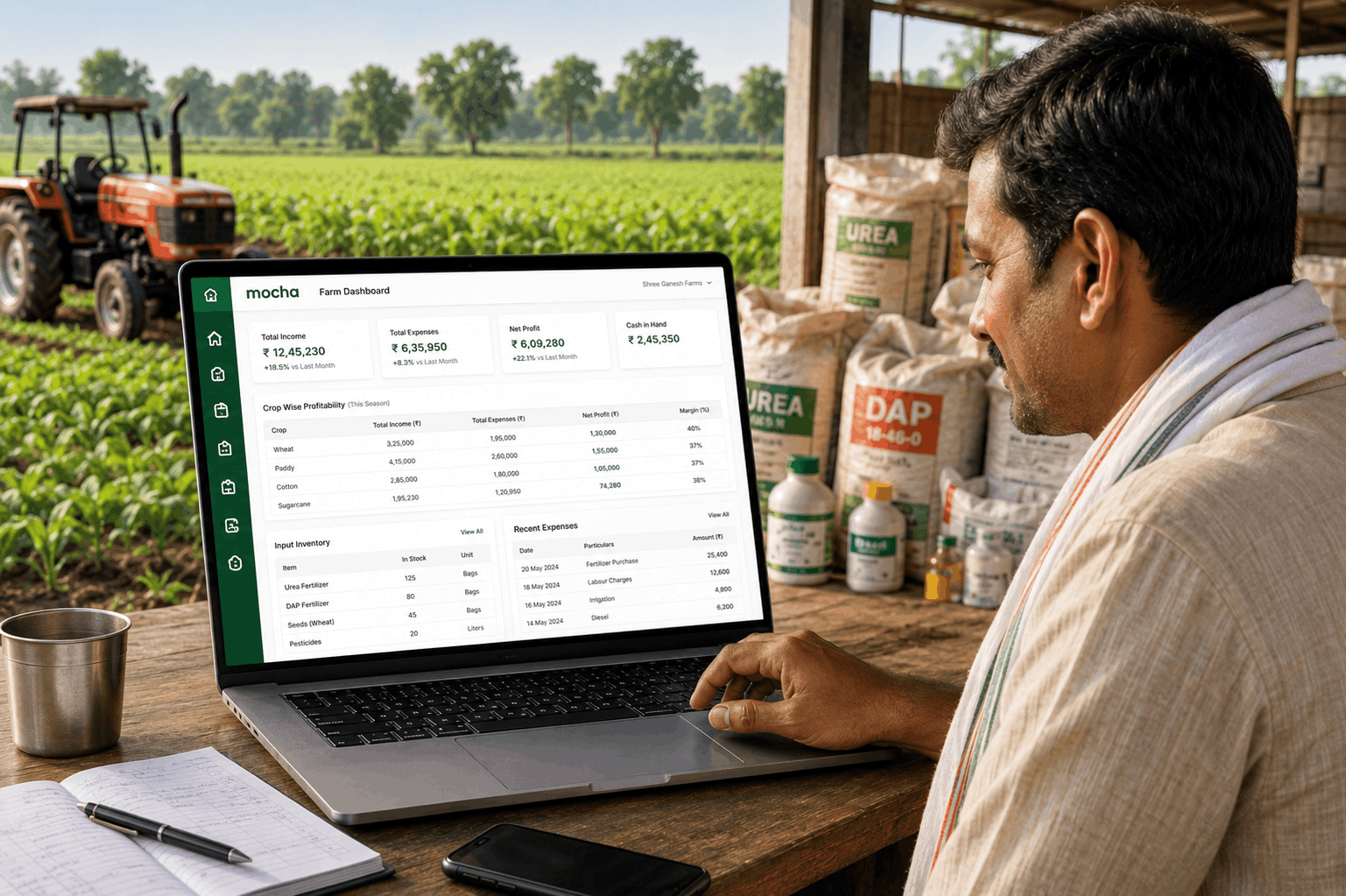
Accounting for farming: Simplify your agriculture finances
Agriculture, together with its adjacent sectors, is the predominant source of livelihood in India. Data from the United Nations indicates that 70% of rural households in India depend on agriculture for their income. However, farming businesses have multiple moving parts and are a complex operation, particularly due to the lack of formalised business knowledge among…
-
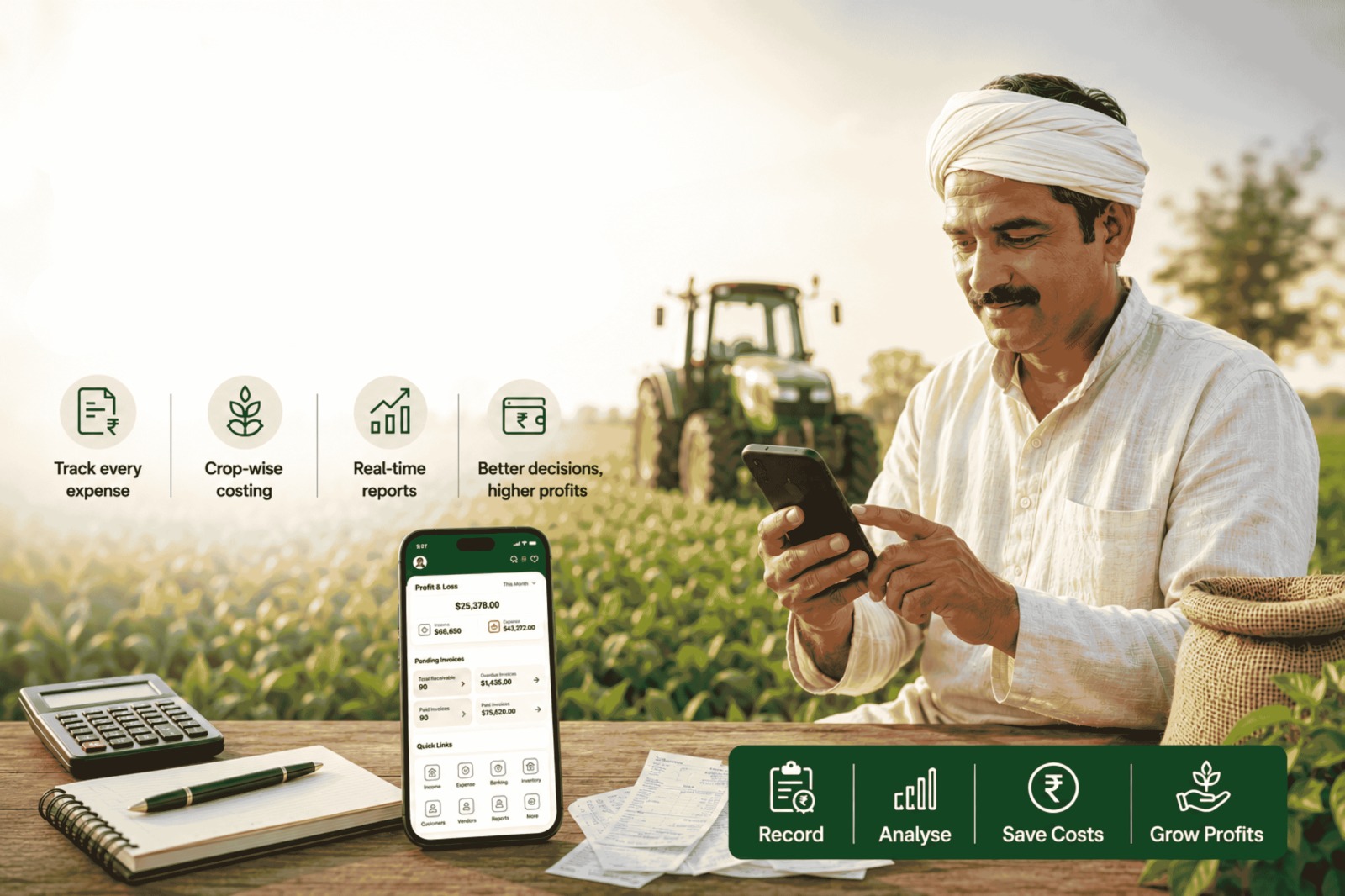
Expense manager software: Control costs and boost profits for your farm
India’s agriculture sector is massive, valued at approximately $600 billion according to a report by McKinsey & Co. However, this sector has several structural advantages that could grow it to a whopping $1.4 trillion by 2035. However, while the overall numbers are large, it is important to put them in context with the size of…
-
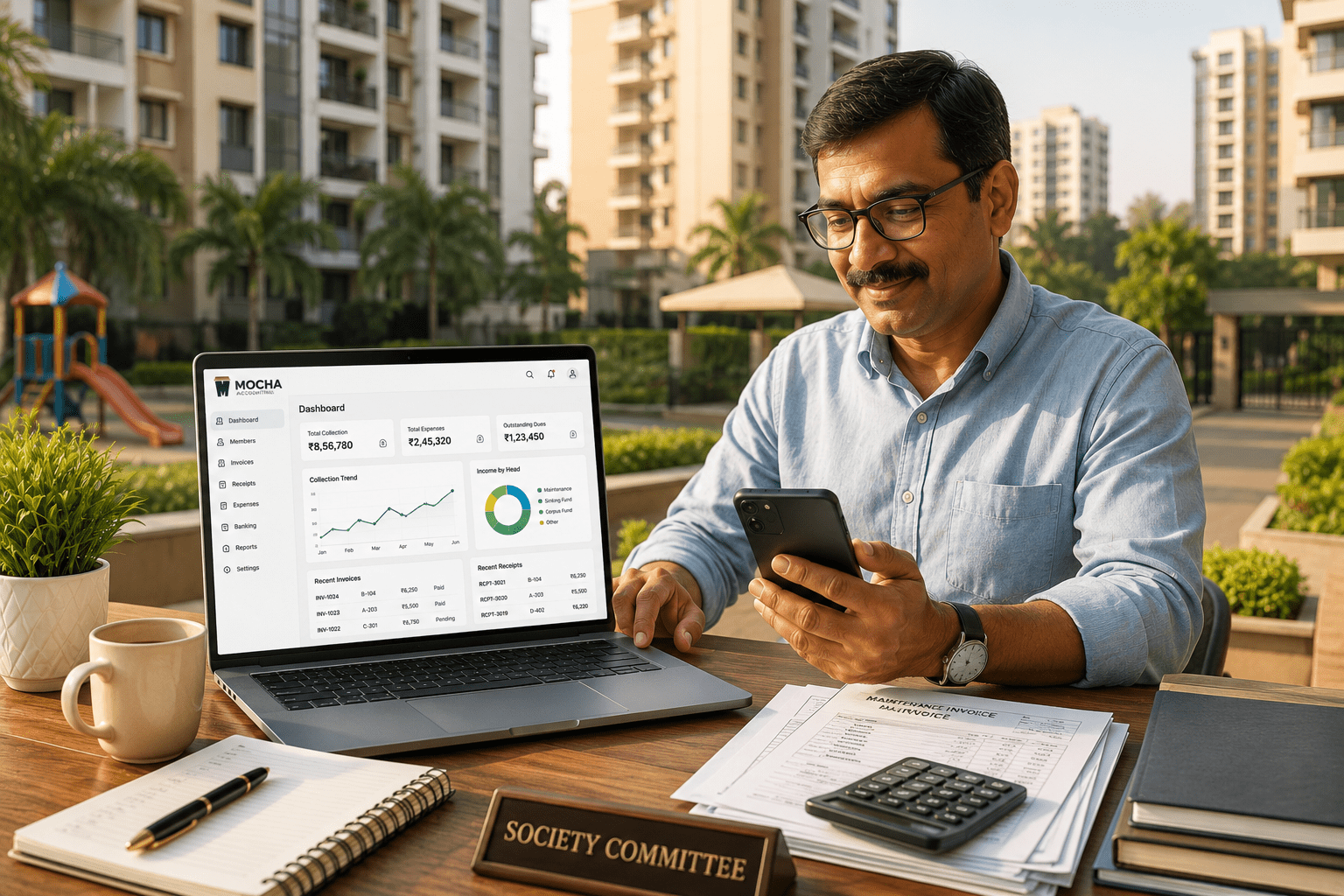
Accounting software for society: Build trust and simplify management
Managing a housing society looks simple to an external observer, while the fact of the matter is that it is anything but. Over 1.9 lakh societies in India exist to look after the welfare of their residents, according to government data. These societies are run by committees of 5 to 19 members, which are required…
-
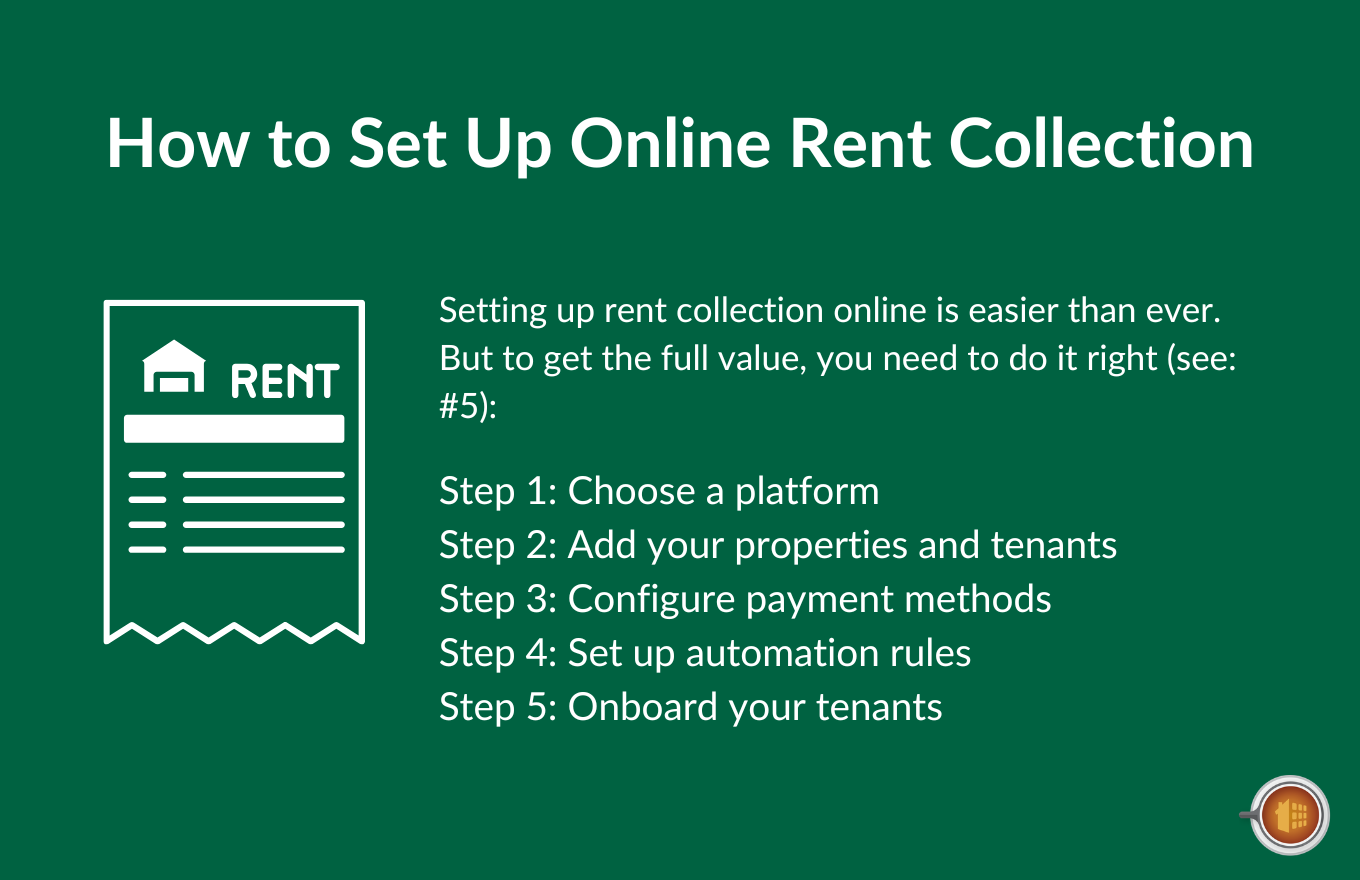
Online Rent Collection for Landlords: Setup, Payments, and Best Practices
Key Takeaways Online rent collection eliminates the time, cost, and risk of paper checks while giving landlords a verifiable audit trail of every payment. ACH transfers are the dominant payment method because they’re inexpensive (under 1% or free in many cases) and reliable, but supporting multiple payment options (ACH, debit, credit) reduces late payments. Automated…
-
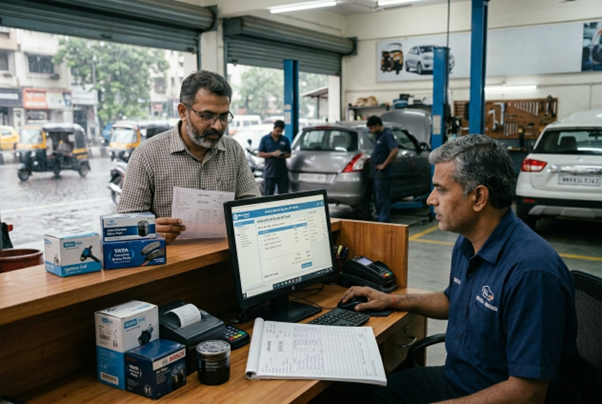
Garage billing software: Everything you need to run a modern auto workshop
The automobile industry in India is growing fast, powered by record-breaking growth in the passenger vehicle segment, which saw 45.5 lakh new cars sold in CY 2025. In line with this growth, India’s automotive repair market is also growing rapidly at a 7% CAGR and is projected to reach ₹7.83 lakh crore by 2035. There…
-
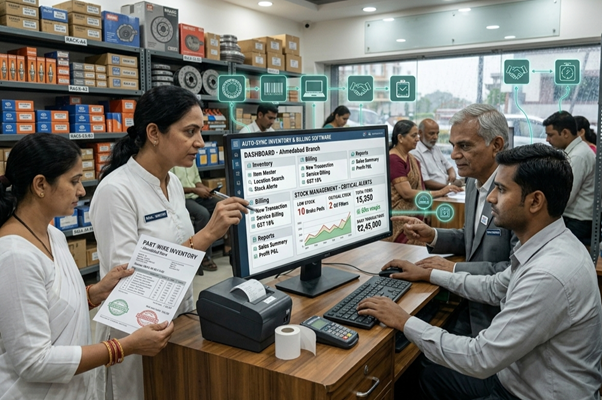
Automobile billing software: Simplify invoicing and inventory management
The automobile industry in India is massive, clocking in a turnover of Rs. 20 lakh crore in FY2024-25, according to data released by the government. However, running an automobile business is a complex operation that requires not just technical know-how but also operational excellence, real-time stock tracking, and financial management. Most automotive businesses start small…
-
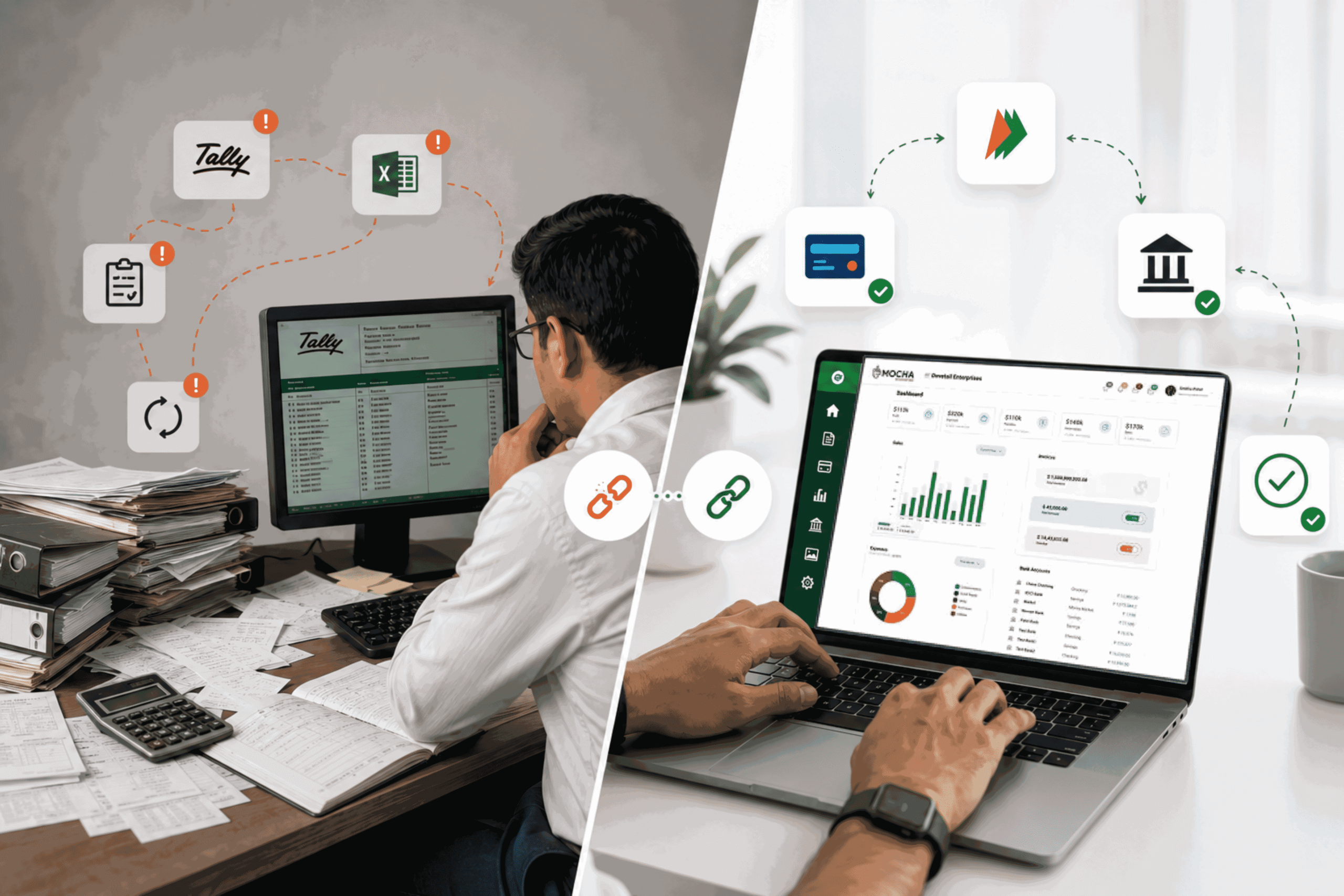
Tally vs Cloud Accounting Software for Modern Payments
Your CA Is on Tally. Your Customers Pay Online. Nothing Connects the Two. India’s medium and enterprise businesses are sitting on a hidden productivity problem: their accounting lives in an older version of Tally that doesn’t speak to their sales, invoicing, or online payment channels. This report presents the data — and the fix. For…